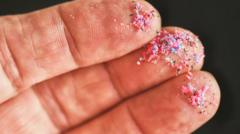
New microplastics research examines River Thames
Water samples are assessed for pollution levels and any impact climate pressures may be having on the river system.
C1 Version
Click any word for its Thai meaning.
คำแปลภาษาไทย
การ ศึกษา วิจัย ครั้ง ใหม่ ใน เรื่อง มลพิษ จุลินทรีย์ ใน แม่น้ํา เท มส์ ถูก ปล่อย โดย นัก วิจัย ที่ มหาวิทยาลัย อีส ต์ ลอนดอน (ยู เอล) ใน ความ พยายาม จะ ส่ง ผล กระทบ นโยบาย ด้าน สิ่ง แวด ล้อม และ คุณภาพ น้ํา. ตัว อย่าง เหล่า นี้ จะ มี การ ประเมิน เพื่อ ดู ว่า ระดับ มลพิษ กําลัง เปลี่ยน ไป อย่าง ไร และ ความ กดดัน จาก ภูมิ อากาศ อาจ มี ผล กระทบ อย่าง ไร ต่อ ระบบ แม่น้ํา. ก่อน หน้า นี้ เคย มี การ บันทึก เรื่อง แม่น้ํา เท มส์ ไว้ ใน ระดับ ที่ สูง ที่ สุด สําหรับ แม่น้ํา สาย ใด ๆ ใน โลก. Deverux บอกว่า "แม่น้ําเทมเปสต์เป็นหนึ่งในแม่น้ําในเมืองที่ได้รับการยอมรับจากนานาชาติมากที่สุดในโลก "โปรเจกต์นี้เกี่ยวกับการให้หลักฐานทางวิทยาศาสตร์อย่างทนทาน ที่ทำได้ส่งเสริมการตัดสินใจด้านสิ่งแวดล้อมที่ดีขึ้น และช่วยสร้างนโยบายที่เข้าใจว่าการแทรกแซงอาจจะจําเป็นมากที่สุด" การ วิจัย น่า จะ บ่ง ชี้ ว่า มลพิษ ได้ เพิ่ม ขึ้น หรือ ลด ลง และ คุณภาพ ของ น้ํา จําเป็น ต้อง ปรับ ปรุง ไหม. จะ มี การ รวบ รวม น้ํา ขึ้น มา สาม ลิตร จาก เจ็ด แห่ง ที่ ทำได้ หา ได้ ทั่ว ไป ตาม แม่น้ํา เท มส์ - เทดดิง ตัน, เวสต์ มินส เตอร์, เซนต์ แค็ต รีน ท่าเรือ, ไลม์ เฮา ส์, นอร์ท วูล วิช, ทิล เบอร์ รี และ เซา เทิร์น - ก่อน จะ ถูก กรอง ที่ ห้อง ปฏิบัติ การ เพื่อ จับ อนุภาค เล็ก ๆ. จาก นั้น ก็ มี การ ตรวจ สอบ เครื่อง กรอง ด้วย กล้อง จุลทรรศน์ ซึ่ง นัก วิจัย ค้น หา ไมโคร ฟลู ออค และ บันทึก ขนาด, สี, และ รูป ทรง ของ มัน.
Save & Review
Only words saved from this story appear here.